- A Behavioral Assessment Test measures how employees act, respond, and adapt — not just what they know.
- Leading frameworks include DISC, Big Five, and Emergenetics, all rooted in psychology and neuroscience.
- Companies using behavioral insights during hiring report up to 40% higher employee retention.
- Assessments are useful across the full employee lifecycle — from hiring to change management.
- Behavioral assessments describe tendencies, not limitations — they empower people rather than label them.
- MARG integrates Behavioral Assessment to drive measurable culture and performance improvements across organisations.
In today’s dynamic business landscape, hiring the right talent goes beyond evaluating technical proficiency. Organisations are increasingly turning toward behavioral insights to understand how employees think, respond, and interact within a professional environment. That’s where a Behavioral Assessment Test comes in – an essential tool for predicting performance, improving team compatibility, and enhancing organisational culture.
Whether you’re a CXO, HR professional, or team leader, understanding and applying Employee Behavioral Assessment strategies can help you build a more engaged, productive, and cohesive workforce.
In this comprehensive guide, we’ll explore what behavioral assessments are, why they matter, and how to effectively use Behavioral Assessment for Employees to drive organisational success.
What Is a Behavioral Assessment Test?
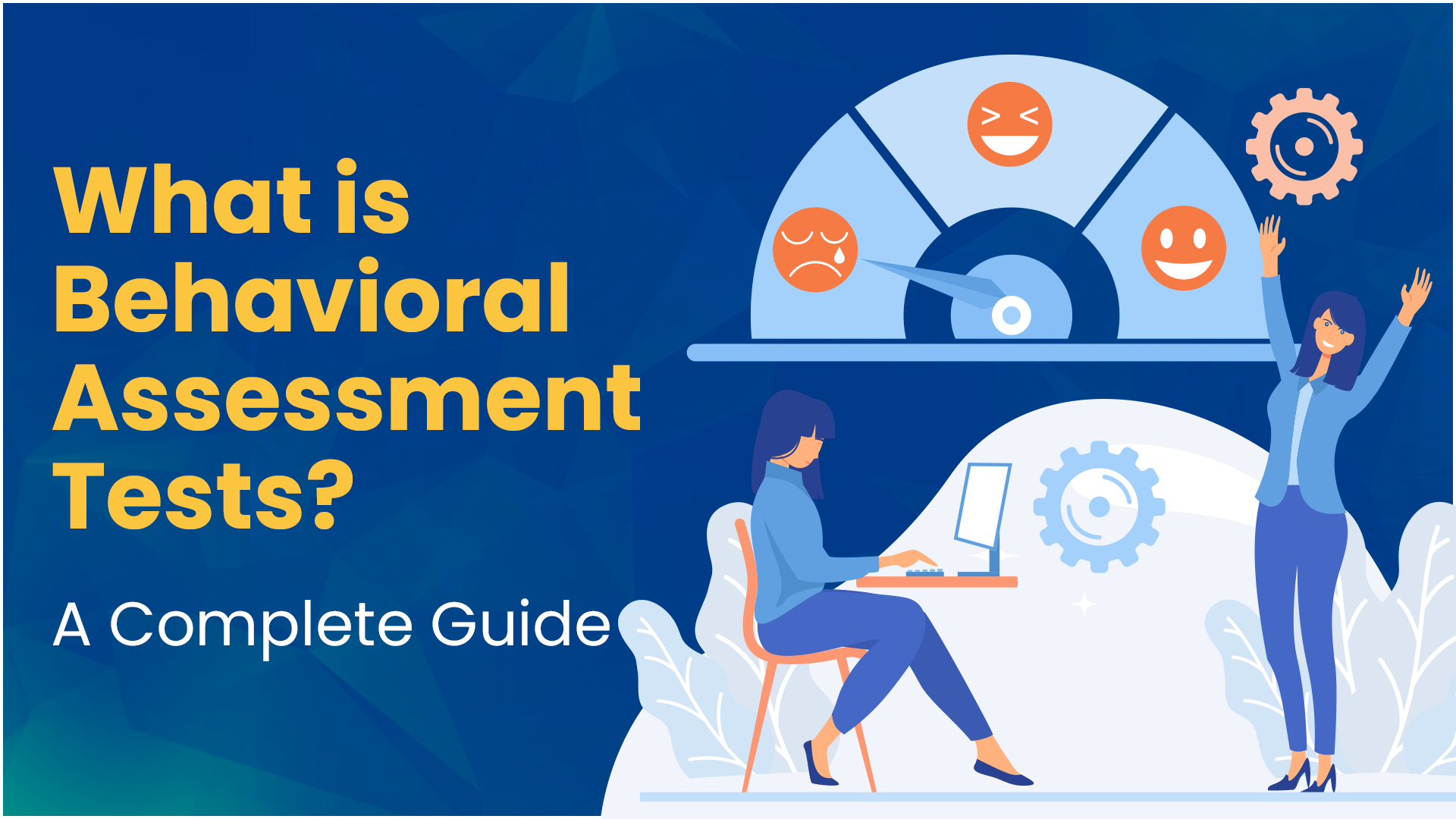
A Behavioral Assessment Test is a scientific method used to evaluate an individual’s behavioral traits, interpersonal skills, and emotional intelligence. Unlike traditional aptitude or skill-based tests, these assessments focus on how employees behave in various scenarios rather than what they know.
Behavioral assessments measure attributes such as:
- Communication style
- Decision-making approach
- Leadership potential
- Adaptability and resilience
- Emotional intelligence
- Team collaboration
By gaining deeper insight into these dimensions, organisations can make data-driven decisions about hiring, promotions, leadership development, and cultural alignment.
In short, Employee Behavioral Assessment helps bridge the gap between personality and performance – ensuring that employees not only fit the role but also the organisational values.
Why Behavioral Assessment for Employees Matters
Investing in Behavioral Assessment for Employees isn’t just an HR trend; it’s a strategic advantage. Modern workplaces thrive on collaboration, adaptability, and self-awareness – qualities that are hard to measure through interviews alone.
When organisations use Employee Behavioral Assessment, they gain a deeper understanding of what drives their people. This allows leaders to:
- Build balanced teams based on complementary traits
- Identify leadership potential early
- Align roles with natural strengths
- Reduce turnover and hiring mistakes
- Foster a culture of trust and collaboration
The Science Behind Behavioral Assessment
A Behavioral Assessment Test is rooted in psychology and neuroscience. These tools are designed using validated frameworks like DISC, Big Five, or Emergenetics – models that map out thinking and behavioral preferences.
Each framework categorises behaviours into measurable traits such as:
- Communication style
- Decision-making approach
- Adaptability and resilience
- Team orientation
- Motivation triggers
Through self-reporting questionnaires or situational judgment tests, these assessments generate a behavioral profile that reflects how an individual is likely to perform, collaborate, and grow within an organisation.
Types of Behavioral Assessment Tests
There’s no one-size-fits-all behavioral test. Depending on your goals, you might use different types of assessments:
Pre-Employment Behavioral Tests
Used to evaluate candidates during hiring and predict cultural and role fit before joining.
Leadership Behavioral Assessments
Identify emerging leaders or help existing managers refine their leadership style.
Team Compatibility Assessments
Help managers create balanced, high-performing teams with complementary behavioral traits.
Developmental Assessments
Used for coaching, performance reviews, and long-term career growth planning across your organisation.
Each version of a Behavioral Assessment for Employees provides unique insights that can transform how organisations approach people development.
Behavioral Assessment vs. Personality Test: What’s the Difference?
While they may sound similar, behavioral and personality assessments serve different purposes.
| Dimension | Personality Test | Behavioral Assessment |
|---|---|---|
| Focus | Who a person is | What a person does |
| Measures | Inherent traits & emotional tendencies | Actions, responses & adaptability in situations |
| Best used for | Understanding identity & motivations | Predicting performance & team dynamics |
| Think of it as | The foundation | The expression |
By combining both insights, companies can gain a holistic understanding of their employees — making truly informed people decisions. Tools like Human Synergistics and Emergenetics bridge this gap effectively.
Key Benefits of Employee Behavioral Assessment
A well-implemented Employee Behavioral Assessment helps organisations move from assumptions to actionable insights:
Identify candidates who fit both the role and culture — reducing costly mis-hires and onboarding failures.
Match people with complementary behaviours for higher collaboration and reduced interpersonal friction.
Spot future leaders early and provide targeted coaching that builds on their natural strengths. Explore MARG’s Leadership Training programmes.
Understand interpersonal differences before they escalate — turning potential flashpoints into learning opportunities.
Align roles with natural strengths to drive intrinsic motivation, ownership, and productivity.
Behavioral insights don’t just improve performance – they transform organisational culture from reactive to proactive.
How Behavioral Assessments Improve Leadership
Strong leadership isn’t just about strategy – it’s about understanding people. A Behavioral Assessment Test helps leaders recognise their behavioral tendencies and how these impact their teams.
For example, a highly analytical leader may excel at planning but struggle with empathy-based communication. Through behavioral assessment insights, they can consciously balance their strengths and adapt to meet the needs of their teams.
This self-awareness is the foundation of emotional intelligence – a trait that sets exceptional leaders apart from average ones.
At MARG, leadership development programmes often integrate Behavioral Assessment for Employees to help managers evolve into empathetic, adaptable, and inspiring leaders.
When Should You Use a Behavioral Assessment? (Employee Lifecycle Map)
Behavioral assessments can be used at multiple points in the employee lifecycle:
Assess culture and role fit during the hiring process — before a costly mis-hire is made.
Align expectations and tailor training to each individual’s behavioral profile from day one.
Identify behavioral strengths and collaboration gaps before they become performance issues.
Enhance managerial effectiveness by surfacing blind spots and coaching opportunities through targeted programmes.
Understand how employees adapt to transitions — and tailor change management strategies accordingly.
In each scenario, the goal is the same – to make people decisions based on insight, not instinct.
Common Misconceptions About Behavioral Assessments
Despite their growing popularity, behavioral assessments are often misunderstood. Let’s clarify a few myths:
“They label people.”
Reality: A Behavioral Assessment Test describes tendencies, not limitations. It helps people understand and manage their strengths — not box them in.
“They’re only useful for hiring.”
Reality: Far from it. Behavioral assessments add value across the entire employee journey — from onboarding to succession planning and change management.
“They can predict exact behavior.”
Reality: Assessments indicate probable patterns, not certainties. They guide better decisions but don’t replace human judgment.
Integrating Behavioral Assessments Into Your HR Strategy
To truly maximise the value of Employee Behavioral Assessment, organisations must weave it into their HR ecosystem rather than treating it as a one-time activity. Here’s how MARG recommends integrating it effectively:
- Define Purpose: Identify what you want to measure – leadership readiness, culture fit, or team dynamics.
- Select the Right Tool: Choose validated, research-backed assessments like Emergenetics or Human Synergistics that align with your organisational goals.
- Train Managers: Help them interpret and apply insights correctly.
- Use Data Wisely: Combine behavioral insights with performance metrics for well-rounded evaluations.
- Communicate Transparently: Ensure employees understand the purpose – development, not judgment.
When done right, behavioral assessments become the foundation for a culture of continuous learning and growth.
Behavioral Assessments and Organisational Culture
Culture is shaped by behaviour. By understanding collective behavioral patterns, organisations can intentionally design the kind of culture they want to nurture.
For instance, if assessments reveal that most team members prefer structure over innovation, leaders can create initiatives that encourage creative thinking and risk-taking. Similarly, if collaboration scores are low, targeted training programmes can bridge gaps.
MARG often uses Behavioral Assessment for Employees as part of its Organisational Design and culture transformation projects, aligning individual behaviour with organisational vision and values.
The Future of Behavioral Assessments: AI and Predictive Analytics
The future of the Behavioral Assessment Test lies at the intersection of data and psychology. AI-driven platforms now analyse communication styles, response patterns, and emotional cues with remarkable accuracy.
Predictive analytics can identify high-potential employees or flag burnout risks early. However, while technology enhances accuracy, human empathy remains irreplaceable – especially in interpreting and acting upon insights responsibly.
As the workplace evolves, Employee Behavioral Assessment will play a crucial role in building agile, emotionally intelligent, and future-ready organisations.
Real-World Example: How MARG Uses Behavioral Assessments
Transforming Team Collaboration Through Behavioral Insight
At MARG Business Transformation, behavioral assessments are more than diagnostic tools – they’re catalysts for change. Whether it’s leadership development, team alignment, or cultural transformation, MARG uses behavioral insights to tailor strategies that unlock the best in people.
During a large-scale transformation project with a manufacturing client, MARG used Behavioral Assessment for Employees to map team dynamics. The insights revealed gaps in communication and adaptability. With customised coaching and workshops:
in just 6 months
Conclusion: Behavioral Insight as a Business Imperative
A Behavioral Assessment Test isn’t about labelling people – it’s about empowering them. By understanding how individuals think, communicate, and collaborate, organisations can create workplaces where potential meets purpose.
When combined with expert facilitation and strategic integration, Employee Behavioral Assessment becomes a cornerstone for leadership development, team harmony, and long-term growth.
At MARG Business Transformation, we’ve seen firsthand how behavioral insights reshape teams, elevate leaders, and strengthen culture. If your organisation is ready to turn data into transformation, MARG is here to guide your journey – one behaviour at a time.
Ready to Unlock Your Team’s Behavioral Intelligence?
Talk to MARG’s experts about integrating Behavioral Assessment into your hiring, leadership, or culture transformation strategy.
Connect With MARG →