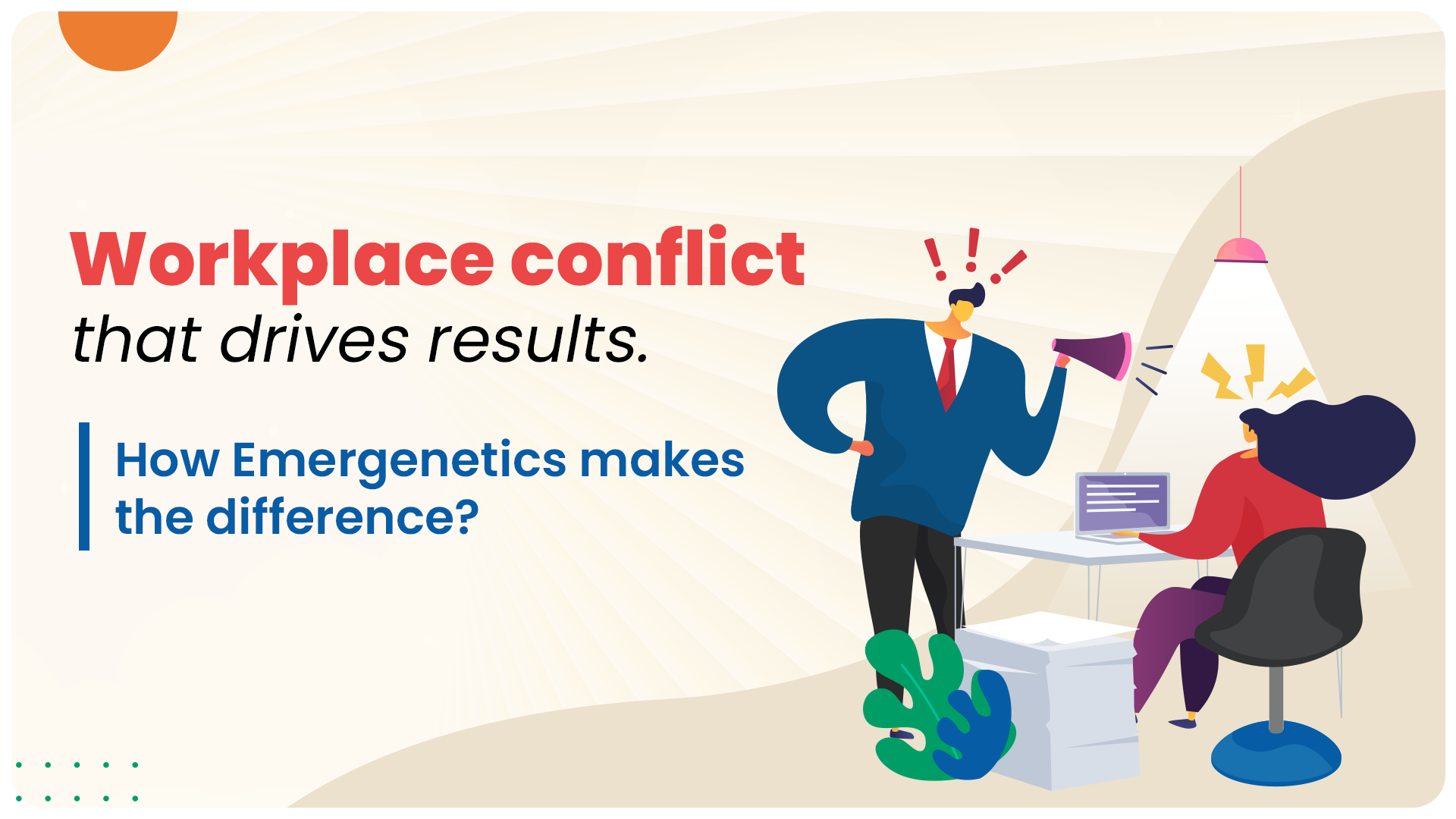
Conflict is unavoidable in every organisation, and when it’s mishandled, even small disagreements can lead to stalled work, strained relationships and costly disengagement. In fact, 64% of workers have experienced workplace conflict, driving 15% of them to seek a role change. With hybrid environments, tight timelines, and diverse work styles, the cost of unmanaged friction is higher than ever.
But conflict itself isn’t the issue. The real gap is the lack of a structured, science-backed way to understand and work with it. Traditional communication workshops and personality-based approaches rarely address the deeper drivers of disagreement, leaving teams stuck in familiar patterns.
What if conflict could do more than disrupt? What if it could strengthen thinking, relationships, and decision-making?
Neuroscience and conflict management
Organisations using neuroscience-informed interventions have seen tangible gains: a 34% improvement in collaboration and a 25% reduction in interpersonal conflicts within a year. Insights from neuroscience and organisational psychology show that when teams understand how and why they differ, friction becomes a pathway to productive dialogue. Emergenetics, a neuroscientific profiling tool, offers exactly that. By making cognitive and behavioural differences visible and actionable, it helps leaders transform friction into a genuine performance advantage.
The Limits of Traditional Conflict Management
Traditional approaches often fall short for three key reasons:
● They personalise the problem: Disputes are attributed to “difficult personalities,” which can entrench divisions.
● Symptom-focused fixes: Tools are often limited to communication techniques, failing to address underlying diversity in thought and behavior.
● Lack of actionable data: Managers operate blindly, missing clear insights into how people think, act, and react under stress.
The result? Temporary solutions, misaligned teams, and recurring tension.
How Emergenetics Changes the Game
Emergenetics shifts the focus from “who’s wrong?” to “why do we see this differently?” By profiling both cognitive and behavioral diversity, the framework creates a shared language that enables teams to approach conflict and each other objectively.
The Emergenetics Profile: Beyond Personality
Each team member receives a profile mapping their unique blend of Thinking Attributes and Behavioral Traits:
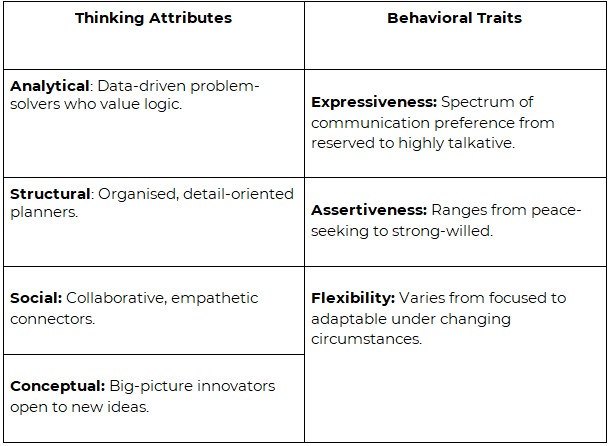
Key Insight: Conflict often emerges not from clashing personalities, but from different ways of thinking, working, and communicating. Emergenetics quantifies these differences, offering a constructive lens for resolution.
From Understanding to Psychological Safety
Armed with cognitive and behavioral data, organisations achieve a new level of transparency:
● Personalisation without bias: Each team member is valued for their unique strengths, not boxed into stereotypes.
● Objective dialogue: Teams shift from blame to curiosity: “What’s your preferred way of tackling this project?” replaces “Why won’t they listen?”
● Trust and psychological safety: When differences are explained by profiles, people feel seen, heard, and respected, lowering the threat response in tough conversations.
Actionable Strategies for Leaders
To make it easy for you to start applying this science-backed data-driven approach, here are five actionable strategies to resolve conflict and build stronger, more collaborative teams with Emergenetics:
1. Use Profiles as a Neutral Starting Point
Before addressing a conflict, review the other person’s Emergenetics profile, understand their preferences, and use those insights to guide how you open the conversation. Meeting them on neutral ground through their preferred communication style reduces defensiveness and sets the stage for a more productive, solutions-focused dialogue.
2. Facilitate Structured Dialogue
During the conversation, use Emergenetics tools, such as group reports or summary charts, to make thinking and behavioural differences visible and neutral. Structure the discussion around clear questions and shared language so each person can express how they see the issue and what they need. This keeps the dialogue focused, balanced and productive.
3. Adapt Communication and Feedback Styles
Guide leaders and managers to tailor their messaging and feedback to match employees’ Emergenetics profiles. For example, Analytical minds may prefer data to support feedback, while Social thinkers may value emotional context. Matching communication styles demonstrates respect, bypasses misinterpretations, and builds understanding.
4. Assign Roles Based on Strengths
Align tasks and responsibilities with each person’s core strengths as shown in their Emergenetics profile. In group problem-solving, allow Conceptual thinkers to brainstorm solutions, Structural types to organise logistics, and Social-minded members to mediate or build consensus. Leveraging natural abilities turns potential points of contention into team assets.
5. Normalise Constructive Tension
Embracing conflict as beneficial rather than disruptive is central to a high-performing, Emergenetics-informed team. Leaders should see tension not
as a sign of dysfunction, but as evidence that diverse mindsets are actively contributing an essential condition for innovation and growth. Proactively set the expectation that differing viewpoints, while sometimes uncomfortable, lead to more robust solutions when surfaced and debated respectfully.
Practical Tips:
● Make “challenge” part of the culture: Regularly communicate that respectful debate is valued and expected.
● Debrief after tough conversations: Reflect with the team on what worked, what caused friction, and how different Emergenetics attributes influenced outcomes.
● Set boundaries for productive conflict: Use profile insights to establish ground rules such as framing disagreements around issues, not individuals.
By openly discussing how conflict can be leveraged, organisations avoid the pitfalls of groupthink and create space for every attribute and trait to add value. Over time, what once felt like “conflict” is reframed as necessary friction for team development.
Also Read- The Importance of Emergenetics Profile Assessment
Why Emergenetics Should Be Your Go-To Conflict Resolution Tool
Workplace conflict isn’t a problem to eliminate; it’s a resource to manage. When leaders default to generic, personality-based solutions, they miss out on the unique contributions of every thinker and communicator at the table. Emergenetics offers a proven blueprint to move beyond surface-level fixes and activate the creative power in cognitive and behavioral diversity.
Every disagreement becomes an opportunity when teams are empowered to:
● Understand each other’s preferences instead of guessing at motives
● Communicate directly and empathetically through a shared framework
● Leverage strengths by assigning roles and feedback that match each individual
● Turn tension into transformation by viewing challenges as collaborative puzzles, not personal battles
Emergenetics puts actionable, science-backed data in the hands of HR professionals and leaders determined to build trust, safety, and sustained performance.
At MARG, we go beyond delivering the Emergenetics Profile. We work alongside organisations to build the leadership capability, shared language and everyday
behaviours that turn tension into clarity and diverse thinking into genuine performance. With expert facilitation and practical guidance, we help teams learn how to navigate differences with confidence, respect and purpose.
If your organisation is ready to build a culture where conflict becomes a catalyst for better collaboration and stronger results, we invite you to experience Emergenetics with MARG.