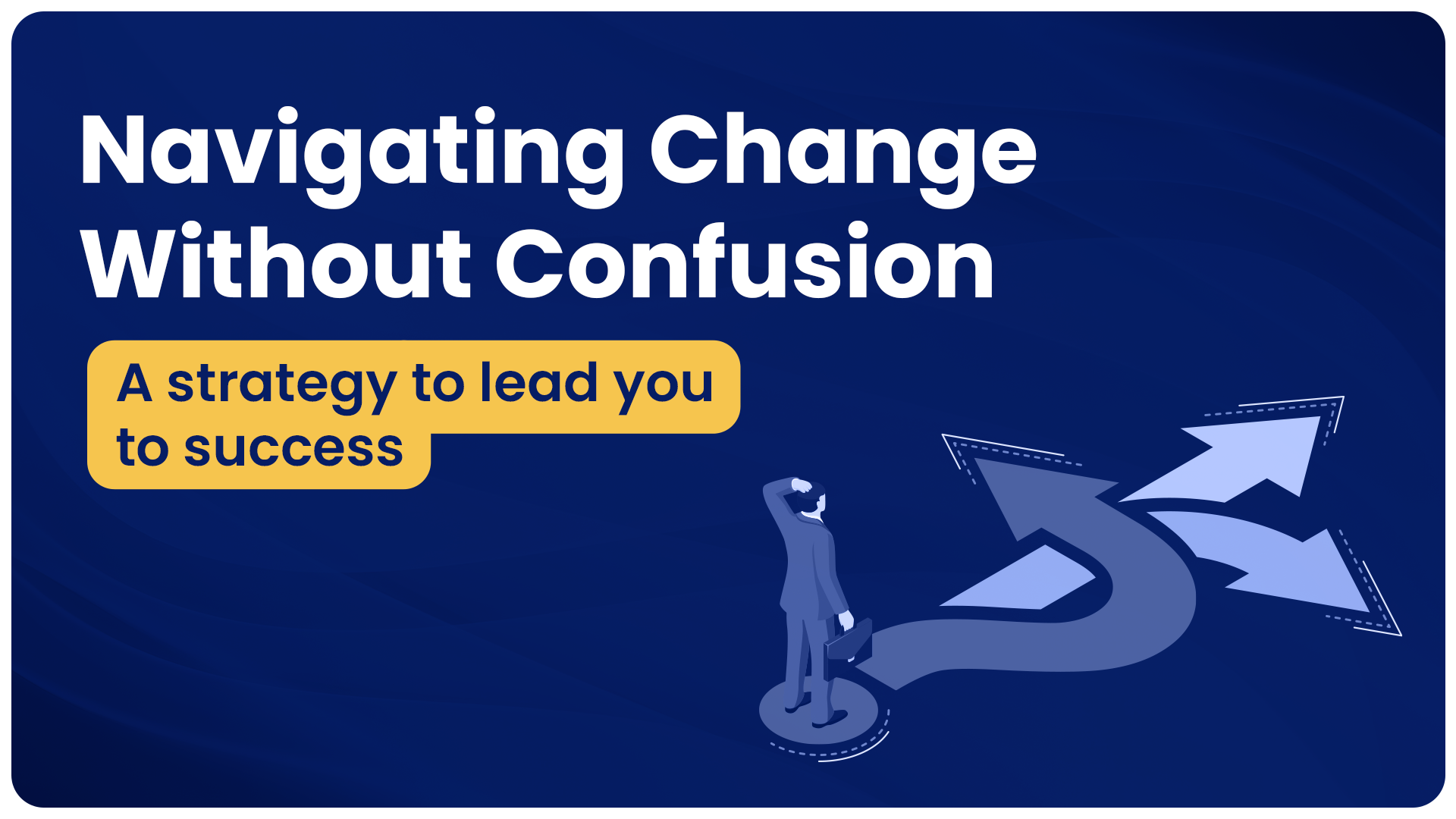
Change is the only constant in business but that doesn’t make it any easier to manage. When organisations announce a new system, restructure teams, or pivot strategy, the response is often the same: confusion, resistance, and a productivity nosedive that can derail even the most well-intentioned initiatives.
Here’s the uncomfortable truth: 70% of organisational change initiatives fail. Not because the ideas are flawed, but because companies focus on the technical side of change while ignoring the human side. They implement new software without preparing people to use it. They restructure departments without addressing the anxiety and uncertainty that comes with it. They announce transformations without a clear roadmap for getting everyone on board.
The cost? Missed deadlines, budget overruns, disengaged employees, and initiatives that fizzle out before delivering results.
But it doesn’t have to be this way. A structured change management strategy, particularly one grounded in proven methodologies like Prosci change management, gives organisations a clear path through the chaos. It transforms confusion into clarity, resistance into buy-in, and good intentions into measurable success.
What Is a Change Management Strategy (And Why You Can’t Skip It)
A change management strategy is your structured approach to managing the people side of organisational change. While project management focuses on tasks, timelines, and deliverables, change management focuses on the individuals who need to adopt new ways of working.
Think of it this way: You can build the perfect new system, but if your team doesn’t understand it, doesn’t want to use it, or doesn’t know how to integrate it into their daily workflow, you’ve just invested resources in something that will remain unused.
A solid change management strategy addresses this by:
– Reducing resistance through early engagement and transparent communication
– Enabling successful adoption by preparing, equipping, and supporting people
– Sustaining change by tracking adoption and removing barriers in real time
– Embedding value by reinforcing new behaviors until they become the norm
Without this strategy, organisations face predictable pitfalls: confusion about what’s changing and why, delays as teams struggle to adapt, resistance from employees who feel blindsided, and ultimately, failure to achieve intended outcomes.
Seven Key Elements of an Effective Change Management Strategy
Building a successful change management strategy requires attention to several interconnected elements. Miss one, and your initiative becomes vulnerable to resistance, confusion, or failure.
1. Clear Vision and Objectives
Before anything else, define what success looks like.
– What exactly is changing?
– Why is it happening now?
– What specific outcomes do you expect?
– How will you measure success?
This clarity serves multiple purposes: it aligns leadership around a common goal, provides a North Star for decision-making throughout the initiative, and gives employees a clear picture of where the organisation is headed.
Your vision should answer the “so what?” question. Not just “We’re implementing a new CRM system,” but “We’re implementing a new CRM system so our sales team can spend less time on administrative work and more time building customer relationships, ultimately increasing revenue by 15% over the next year.”
2. Stakeholder Engagement
Identify everyone who will be affected by the change, right from executives to front-line employees, and involve them early and throughout the process.
Different stakeholders need different levels of engagement:
– Sponsors: Senior leaders who champion the change and remove barriers
– Change agents: Middle managers and influencers who support adoption within their teams
– Affected employees: People whose daily work will change and who need preparation and support
– Support functions: IT, HR, and training teams who enable the change
Engage stakeholders through interviews, focus groups, surveys, and working sessions. Listen to their concerns, incorporate their input where possible, and keep them informed as the initiative progresses.
3. Communication Plan
Consistent, transparent communication tailored to different audiences is non-negotiable. People need to hear about change multiple times, through multiple channels, before it truly sinks in.
Your communication plan should include:
– Key messages: What are the core points every communication should reinforce?
– Audience segmentation: Different groups need different information at different times
– Communication channels: Email, town halls, team meetings, intranet, one-on-ones
– Timing: When will each message be delivered relative to the change timeline?
– Feedback mechanisms: How will you know if messages are landing and address questions?
4. Leadership Support
Change lives or dies based on leadership engagement. When leaders actively sponsor and visibly champion change, success rates skyrocket.
Active sponsorship means:
– Communicating directly about why the change matters
– Allocating resources (budget, time, people) to support the initiative
– Removing obstacles when teams encounter barriers
– Modeling the desired behaviours themselves
– Holding others accountable for adoption
If your senior leaders aren’t willing to do these things, pause and address that issue before moving forward. Launching change without genuine leadership support is like building a house on sand.
5. Training and Support
Equipping employees with the skills and knowledge they need isn’t optional, it’s the bridge between awareness and ability in the ADKAR model.
Effective training goes beyond one-time workshops. It includes:
– Role-based training: Different people need different skills based on how they’ll interact with the change
– Multiple formats: Instructor-led sessions, e-learning modules, job aids, peer coaching
– Practice opportunities: Simulations, sandbox environments, pilot programs where people can experiment safely
– Just-in-time support: Resources available exactly when people need them, not weeks before
– Ongoing coaching: Managers and super-users who can answer questions and troubleshoot issues
6. Resistance Management
Resistance is natural, predictable, and manageable if you address it proactively rather than ignoring it until it becomes a crisis.
Start by identifying potential sources of resistance:
– Fear of the unknown or loss of control
– Lack of trust in leadership or the change initiative
– Perceived negative impact on job security, status, or workload
– Past change failures that created cynicism
– Insufficient involvement in planning or decision-making
Once you understand the root causes, you can address them directly through targeted communication, involvement opportunities, skill-building, or adjustments to the change approach itself.
The reality is that people naturally resist moving out of their comfort zones. Your job isn’t to eliminate discomfort entirely. It’s to make the discomfort of staying the same greater than the discomfort of changing.
7. Measurement and Feedback
Track progress throughout the initiative and adjust your strategy based on what you learn. This includes:
– Leading indicators: Awareness levels, training completion rates, engagement in change activities
– Adoption metrics: Are people actually using the new system or following new processes?
– Business results: Are you achieving the intended outcomes (productivity gains, cost savings, revenue growth)?
– Feedback loops: Regular pulse surveys, focus groups, and one-on-one conversations to understand what’s working and what’s not
Measurement serves two purposes: it helps you course-correct when things aren’t working, and it provides evidence of success that you can use to reinforce the change and celebrate wins.
Best Practices for Change Management Success
Prosci’s research consistently identifies seven practices that separate successful change initiatives from failed ones. Implement these, and you dramatically increase your odds of success.
1. Mobilise Active and Visible Sponsorship
Your senior sponsor should be the most visible champion of the change. This means regular communication, participation in key events, direct engagement with affected teams, and consistent reinforcement of why the change matters.
Passive approval isn’t enough. Active sponsorship means rolling up sleeves, showing up, and demonstrating personal commitment.
2. Apply a Structured Change Management Approach
Don’t wing it. Use a proven methodology like Prosci that provides a clear process, tools, and frameworks. This structure ensures you don’t miss critical steps and gives your team confidence that you’re following a path that works.
3. Engage Front-Line Employees
Involve those closest to the work early through pilots and feedback sessions. Their insights improve design, build buy-in, and help identify change champions.
4. Communicate Frequently and Transparently
Reinforce key messages consistently and provide regular updates. Be open about challenges as well as successes — trust drives adoption.
5. Integrate with Project Management
Project management delivers the solution; change management drives adoption. Align plans, milestones, and communication to ensure seamless execution.
6. Support Middle Managers
Middle managers turn strategy into action. Equip them with clear messaging, coaching tools, and support so they can guide their teams effectively.
7. Address Resistance Early
Identify and address resistance proactively. Use the ADKAR lens to diagnose gaps and respond with targeted support rather than ignoring concerns.
Also Read- Change Management Made Easy: The Movie Guide for Busy Professionals
Your Next Steps: From Strategy to Action
You understand what makes change management successful — now the real question is, how will you apply it?
Change doesn’t fail due to lack of ambition or capability. It fails when the people side is overlooked. A structured approach, grounded in proven frameworks like ADKAR, brings the clarity, alignment, and momentum needed to turn complex change into measurable results.
At MARG, we believe transformation succeeds when strategy, systems, and people move together. Organisations that embed change management don’t just implement change — they sustain and scale it.
As transformation accelerates in 2026 and beyond, the true differentiator won’t be speed, but how effectively people adopt change. That’s when change management becomes a strategic capability, not just a support function.